
MEXICO – DÍAS DE LOS MUERTOS
The Día de los Muertos (or Day of the Dead) is one of Mexico’s most fascinating celebrations: a syncretic blend of indigenous and Catholic traditions, rich in symbols and rituals that vary greatly from region to region. Its roots go back to the pre-Columbian Mesoamerican cultures (Aztecs, Maya, Mixtecs, Purépecha, Nahua, etc.). These civilizations held their own rites dedicated to the dead, based on the belief that death was not a definitive end, but rather a phase in a continuous cycle.
With the Spanish conquest, indigenous traditions were partly suppressed or adapted. The Catholic calendar (All Saints, All Souls) was introduced, but local elements continued to survive and blend in. The current form—with altars, family shrines, cemetery visits, and offerings—is the result of this syncretism, consolidated during the colonial and post-colonial periods.
Ofrenda is the altar where offerings (food, drinks, personal objects of the deceased, photos) are prepared to welcome the souls. It serves to “invoke” the presence of the dead. It can have several levels, which in some traditions represent heaven, earth, and the underworld.
Cempasúchil is the flower of the occasion; its deep orange color and scent guide the spirits toward the offerings.
Pan de muerto is the sweet bread typical of the holiday, often round or decorated with bone-like designs.
Calaveras are skulls made of sugar—both decorative and edible—emphasizing the idea that death is part of the life cycle.
Velas (candles) represent the lights that guide spirits on their journey home.
Papel picado, made of perforated colored paper, represents the “air” element, the ephemeral, and the fragility of life. It is often decorated with skulls or motifs that reference the boundary between life and death.
Copal is incense, used to purify, to connect the world of the living with that of the dead, and to ward off evil spirits.
Water, placed in bowls, quenches the spirit’s thirst after its journey to reach the ofrenda.
Common rituals include: preparing the altar at home or in public places, with photos, personal belongings of the deceased, favorite foods, and drinks; cleaning and decorating graves in cemeteries with flowers, candles, night visits, and vigils with relatives; food offerings, often the dishes the deceased loved, as well as sweets, fruits, and beverages; prayers, songs, and storytelling, often including the rosary and traditional songs.
Mexico is vast, and the celebrations vary greatly from state to state and even from community to community.
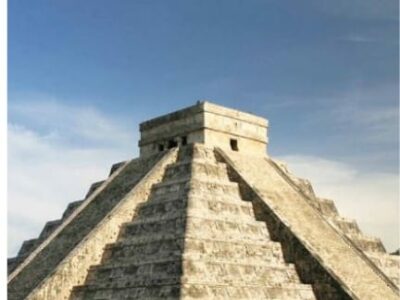
In the Yucatán and Riviera Maya, people celebrate Hanal Pixán, meaning “food of the souls” in the Mayan language. Some customs are specifically Mayan, such as preparing traditional dishes (sometimes cooked in underground ovens), maintaining continuity with pre-Hispanic traditions.
Immerse yourself in this heartfelt celebration.
Plan your trip to include November 2 and stay at:
BAHAMAS – THE GRAND JUNKANOO PARADE
Junkanoo is one of the most vibrant and powerful cultural expressions of Bahamian identity. Its roots lie in the period of slavery, when enslaved Africans—granted a few days off during the Christmas season—used that time to celebrate, dance, wear masks, and play music.
The main event usually takes place during the night between December 25 and 26 (Boxing Day) and the night between December 31 and January 1 (New Year’s Day).
Parades: Organized groups participate, marching in elaborate costumes alongside musicians and dancers.
Music and percussion: Traditional instruments include goatskin drums, cowbells, whistles, horns, and sometimes wind instruments.
Costumes and decorations: The visual element is essential—colorful costumes, often handmade from paper, fabrics, feathers, and handcrafted decorations. The themes can be imaginative or inspired by cultural motifs.
Competition: Groups often compete for prizes awarded for best costume, music, choreography, and overall presentation.
On Grand Bahama Island, there is also a fusion with other local genres—Goombay and Rake ‘N Scrape—both deeply rooted musical traditions that enhance the festive atmosphere.
The island community is heavily involved (there’s even a museum dedicated to Junkanoo): costume groups, dancers, musicians, schools, and hotels all take part. The parades start at night, often after midnight, and last well into the early morning hours. It’s a deeply engaging celebration for spectators too, filled with vibrant sounds, lights, and energetic choreography.
Experience this festive atmosphere!
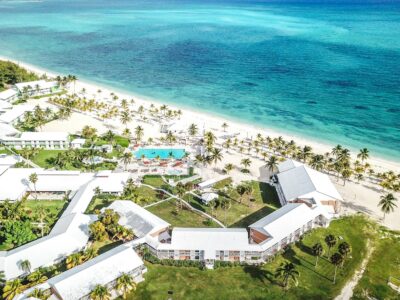
Book your stay at Viva Fortuna Beach by Wyndham to include December 26 or January 1.
If you can’t travel during that week, note that every Wednesday evening you can enjoy a wonderful experience at Smith’s Point, particularly at Taino Beach, during the Fish Fry event. It’s a big beach party with bars and restaurants where locals and tourists come together to enjoy food and music. Grilled fish and meat, local beer, sunset views, and dancing to calypso rhythms make it a night to remember.
DOMINICAN REPUBLIC – WHALE WATCHING SEASON
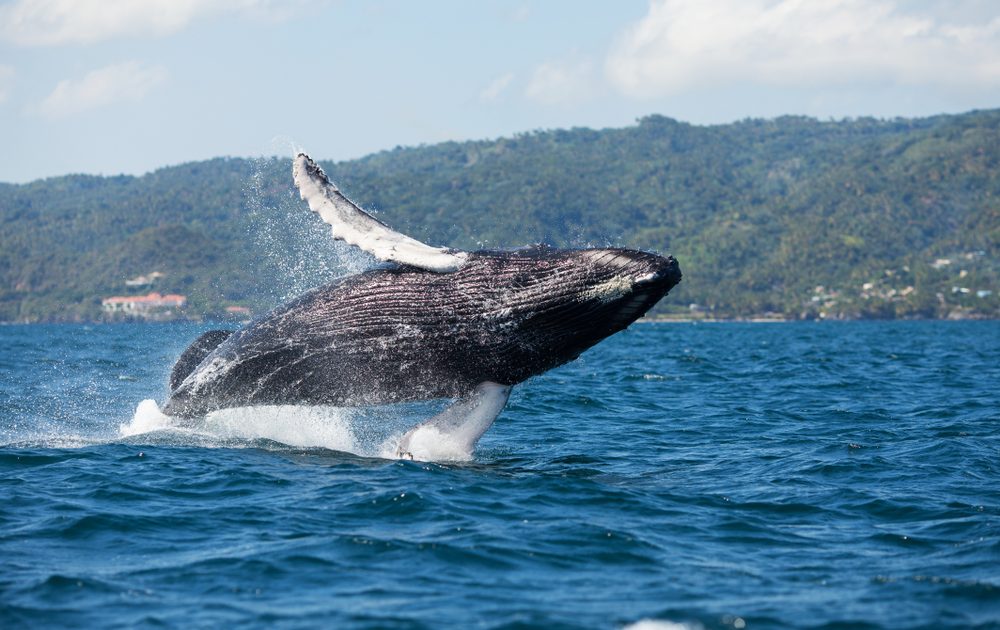
Every year, right on time, from mid-January to mid-March, the humpback whales (ballenas jorobadas) arrive on the Samaná Peninsula.
Have you ever seen a whale up close—just three meters away? You can, and you don’t need luck to do so.
About 2,500 whales—out of an estimated 15,000 remaining on the planet—make the incredible 5,000 km journey from the cold Arctic waters to the warm Caribbean to give birth. Adult whales can reach 17 meters in length and weigh up to 36 tons, while newborn calves measure about 4.5 meters and weigh around 800 kg.
Despite their enormous size, these mammals inspire awe rather than fear—it’s a magical experience to observe them up close aboard small boats authorized by the Ministry of the Environment.
Whales stay with the same pod throughout their lives and communicate using sound calls that can be heard up to 100 miles away. In Samaná Bay, you can see them swimming peacefully, their spouts shooting up to three meters into the air. Despite their size, they move acrobatically; witnessing them feels like being inside a nature documentary.
We regularly organize whale-watching excursions from our adults-only resort.
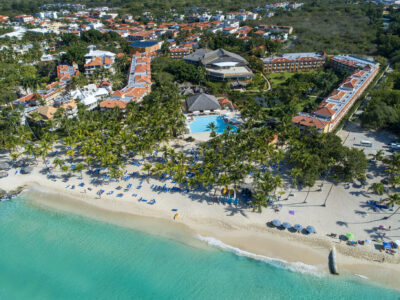
During their two-month stay in the Dominican Republic, book your trip at Viva V Samaná by Wyndham.